

Storm, wind and water8 min read
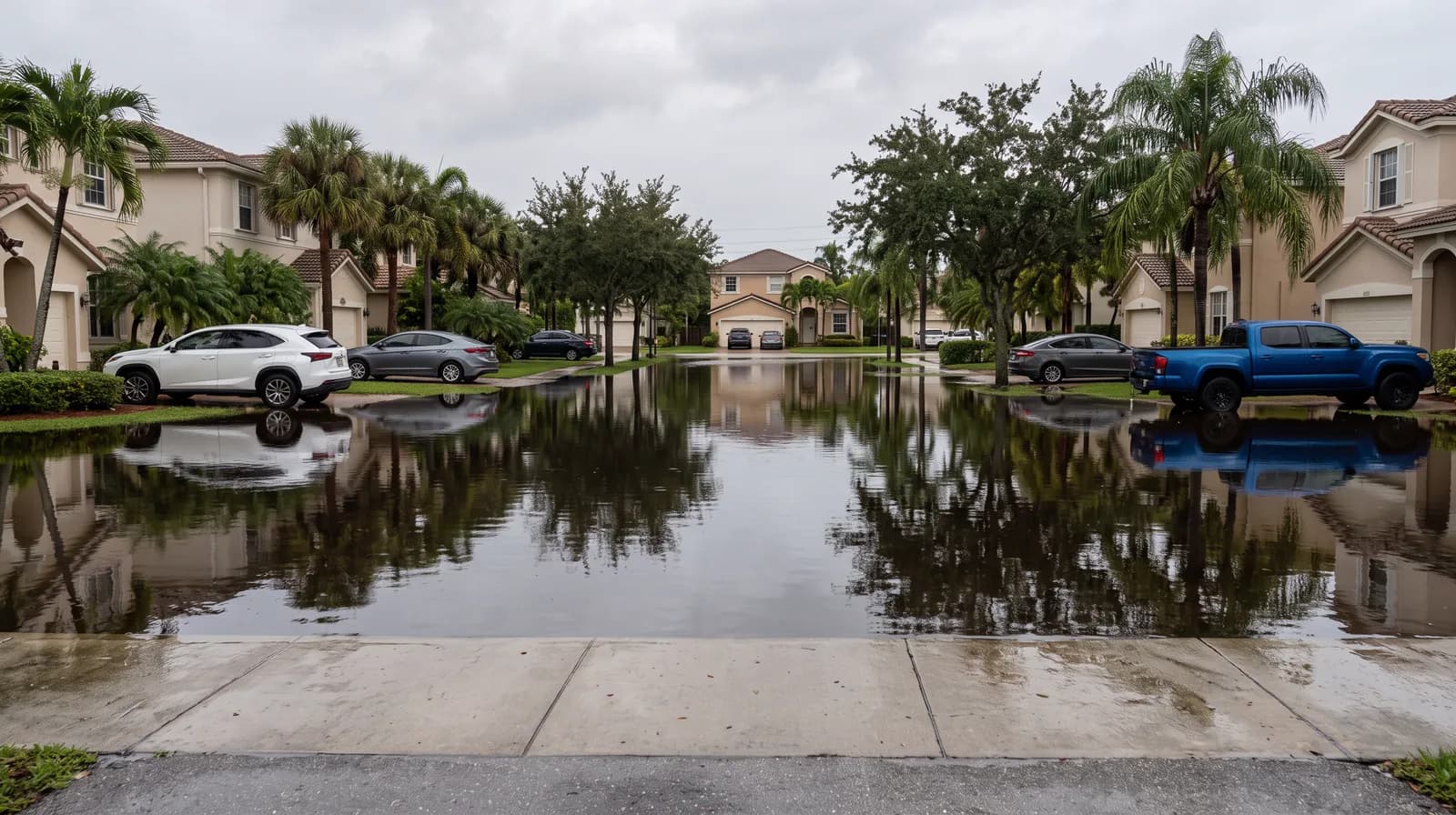
Flood or water damage? Why the difference decides your claim
A burst pipe is not a flood. The NFIP definition says so in two words, and that is where most denied claims are actually decided.
Blog
These are short notes on insuring property in Downtown Miami, with the source named whenever a figure appears. For your own situation there is the policy review, which Romina Saaied does by reading your documents. A post explains how something works; it never tells you what your policy says.
Storm, wind and water
Storm, wind and water
Storm, wind and water8 min read
A burst pipe is not a flood. The NFIP definition says so in two words, and that is where most denied claims are actually decided.
Storm, wind and water6 min read
An NFIP flood policy normally takes 30 days to start. The exceptions are narrow, and a storm in the forecast is not one of them.
Storm, wind and water7 min read
Florida bars a property claim one year after the date of loss, 18 months for a supplemental. Condo loss assessments run on a separate clock.
Storm, wind and water8 min read
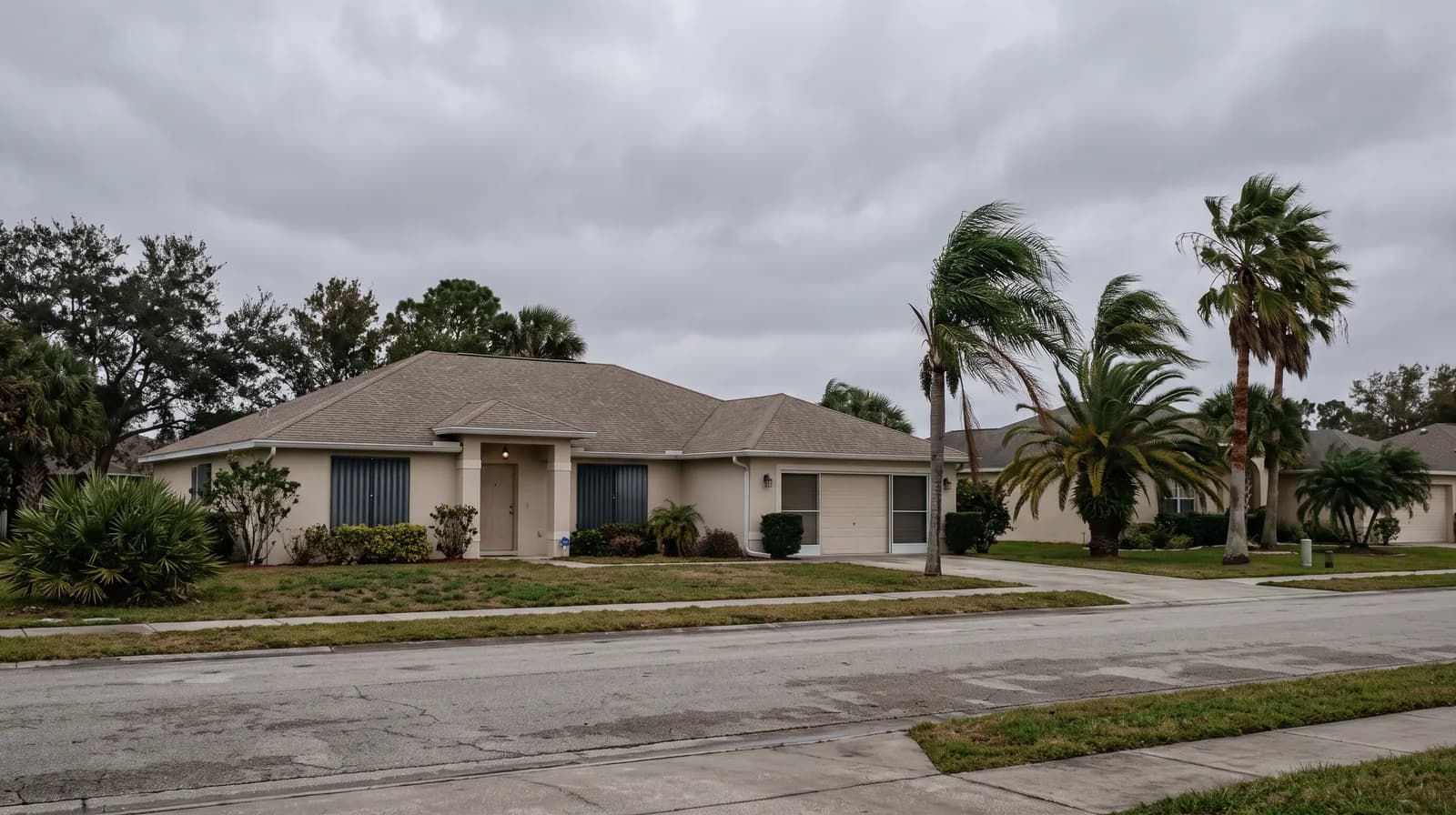
Your policy has two deductibles. The storm decides which one applies, and the hurricane one is a percentage that grows on its own.
Storm, wind and water8 min read
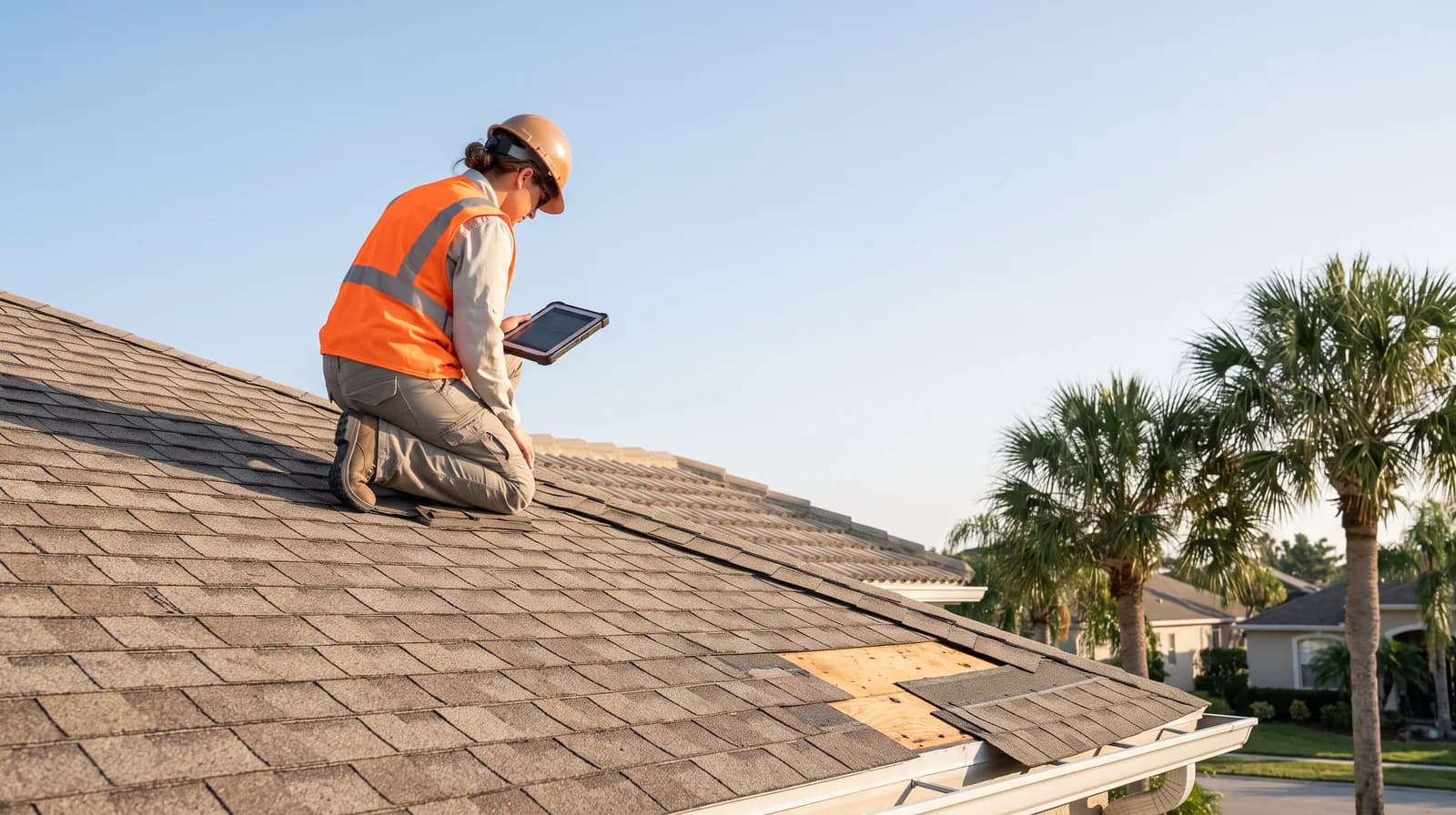
Florida law requires insurers to price wind mitigation features into their rates. One state form decides whether yours are on the record.
Your unit and your building6 min read
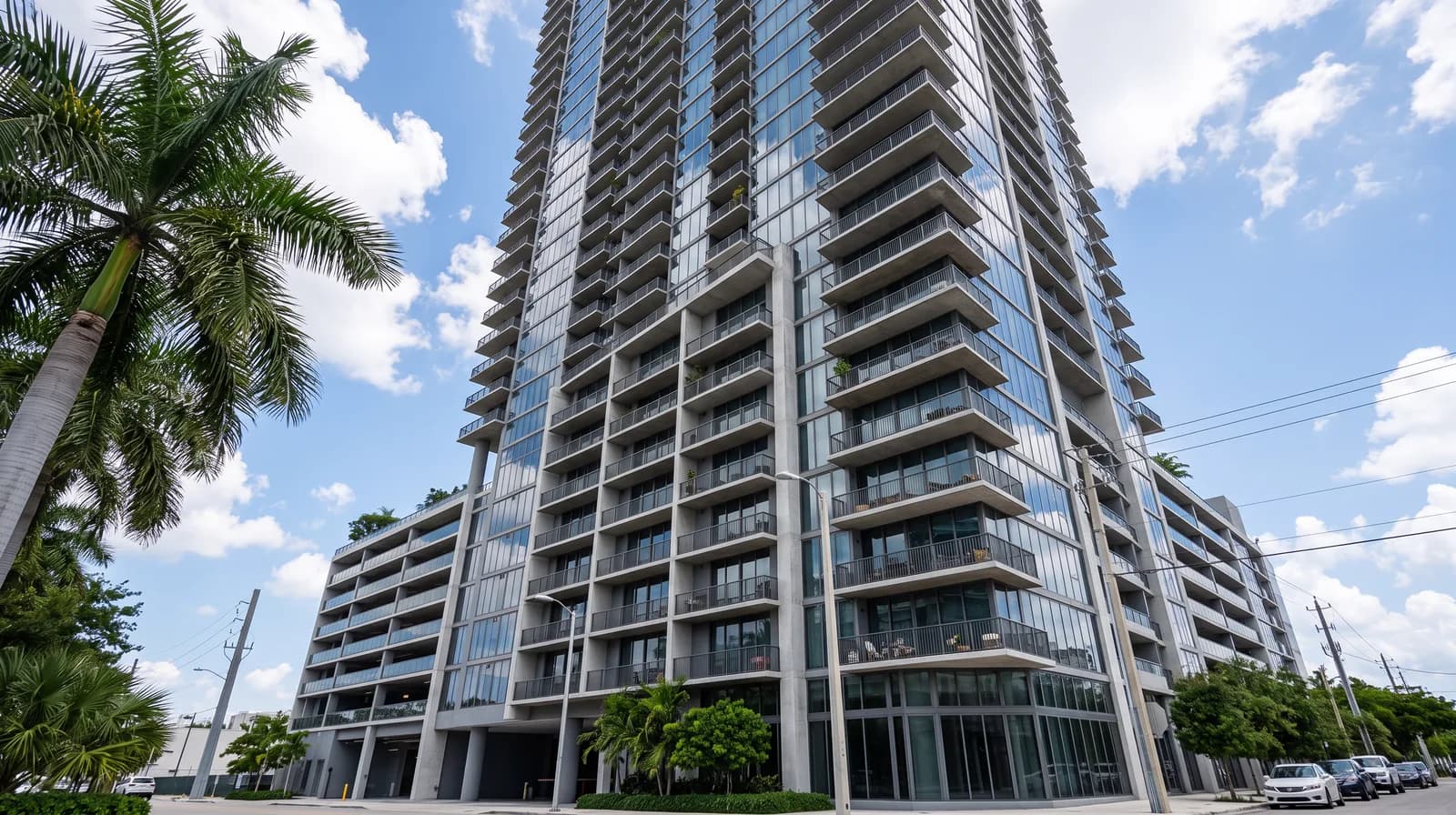
Every building draws the line between the association's policy and yours in a different place. Here is which documents say where, and how to get them.
Your unit and your building7 min read
A finished remodel looks like an improvement. To your policy it is a property that changed, and a policy that was never told about it.

Your unit and your building8 min read
Owning in Miami from abroad rarely costs more because you are foreign. It costs more because you are buying without being able to see what you are buying.

Car6 min read
If you cancel a Florida auto policy, the insurer may keep part of the unearned premium. If it cancels, it may not. That asymmetry is in the statute.
Car6 min read
No-fault does not mean nobody is responsible. It means your own policy pays first, on a clock, whoever caused the crash.

Changing or combining policies6 min read
Florida gives you 120 days of warning before a residential policy is dropped, and 45 before the renewal price. The process fits in that window.
Changing or combining policies7 min read
Bundling is sold as a discount. In Florida it also changes how your deductibles interact and what happens when one policy goes wrong.
It is not advice about your policy, and reading a post is not a substitute for someone reading your documents. A post describes how something generally works; what your contract says is a separate question with a different answer. Nothing here is legal, tax or investment advice either.